THE TWELVE HUNDRED FEET, EXPLAINED
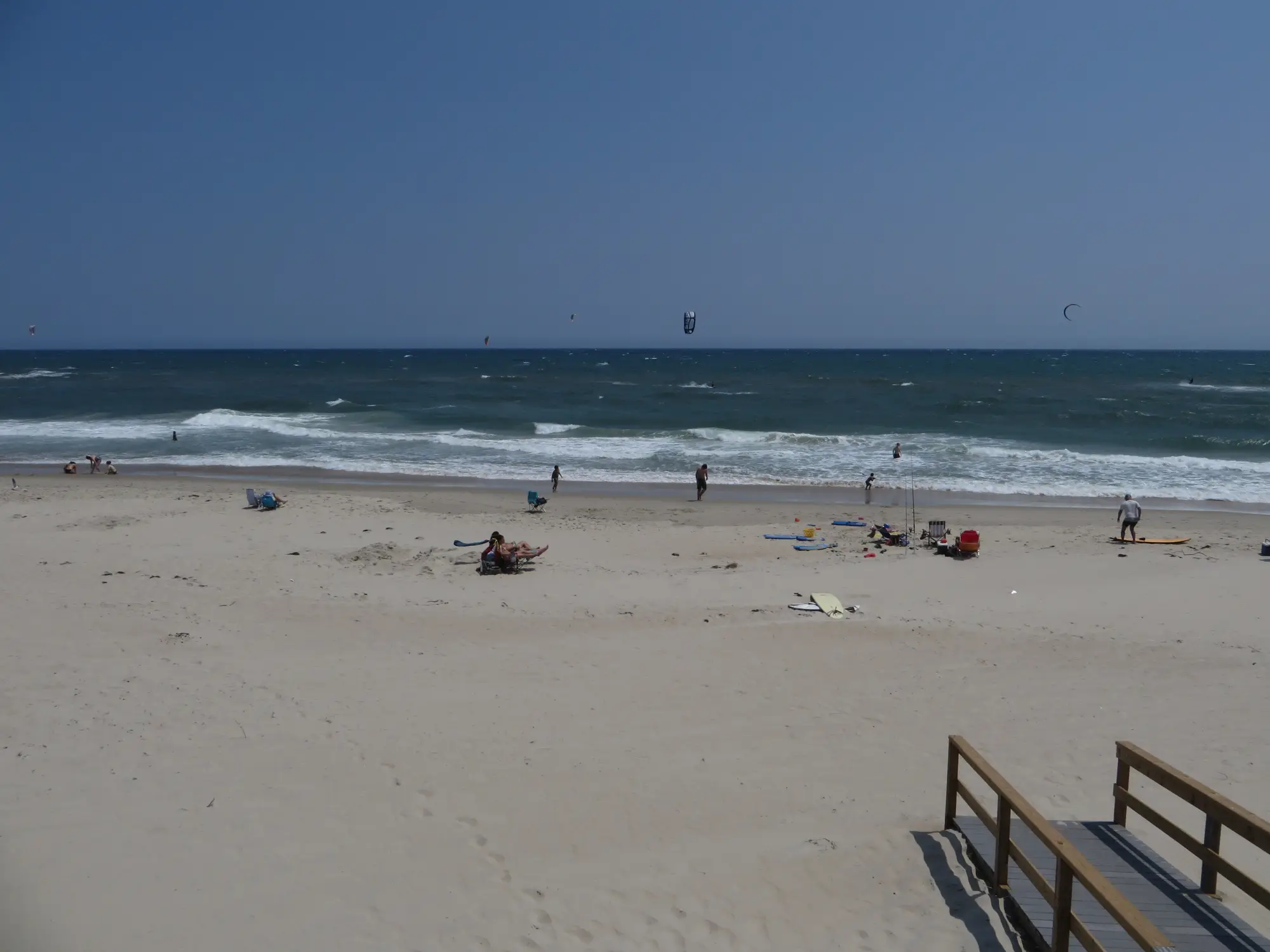
Curry Hammock gives you about twelve hundred feet of Atlantic beach, and on a good north-east day every one of those feet is spoken for. Riders, swimmers, campers, a hawk count overhead and a ranger station that has seen all of it before.
Launch and land in the day use area
That is the whole rule, and it exists because the day use area is the only stretch where a dropped kite has room to fall without landing on somebody's lunch. Set up above the tide line, walk your lines down, and keep your downwind side clear before you send anything.
Once you are up, ride three hundred feet off the shoreline, including past the fence on the campground side. Three hundred feet is not a number somebody invented to be difficult. It is roughly the distance at which a rider who loops a kite by accident still has water underneath them instead of a swimmer.
Why the water forgives you
Ocean side of US 1, eleven miles west of Long Key, the bottom shelves out slowly and the surf stays modest. The current is weak. When the tide drops, a sandbar surfaces east of the point that you can stand on in the middle of the Atlantic. It is the reason first-timers who would be terrified anywhere else are riding by the afternoon.
Sharing it
Prime season runs November through April, wind mostly east to south-east. Weekends fill. If you are rigging next to somebody, ask before you walk your lines across their space, and land other people's kites when they ask. The park is open eight to sundown, three hundred and sixty five days a year, and the ranger station at 305-289-2690 will tell you what the wind is doing before you drive down.
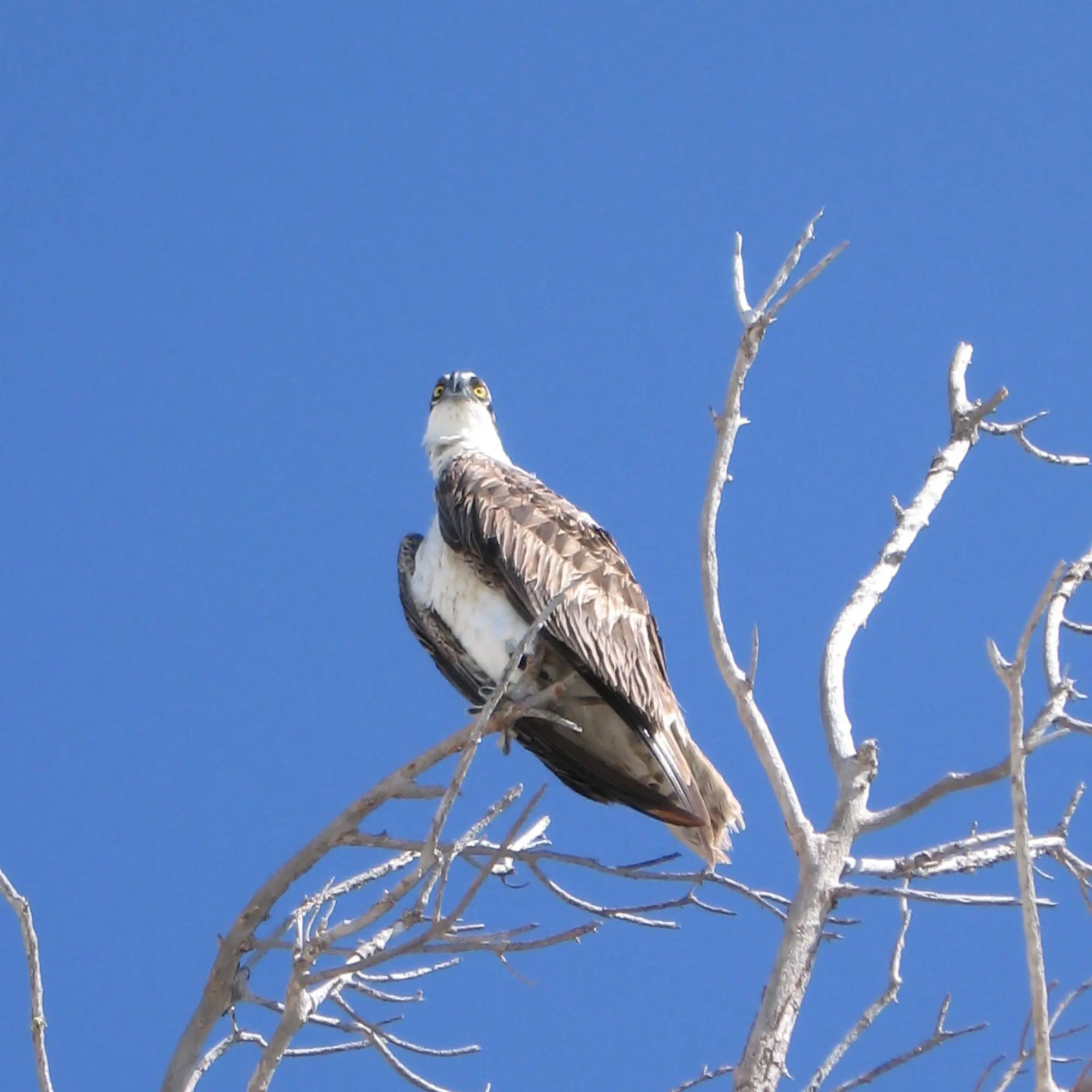 Hawkwatch Season Is Back
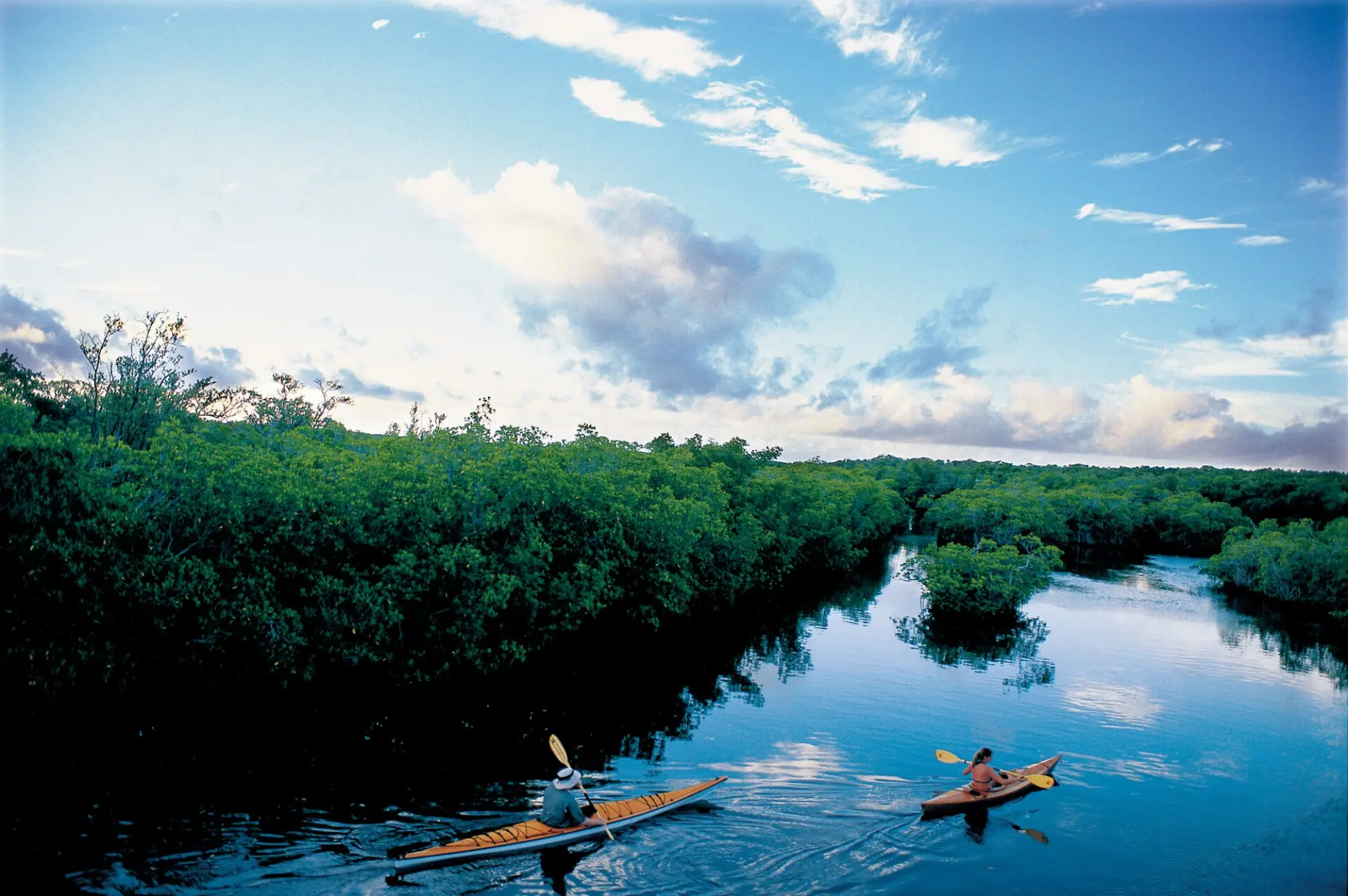 Friday Mornings on the Flats
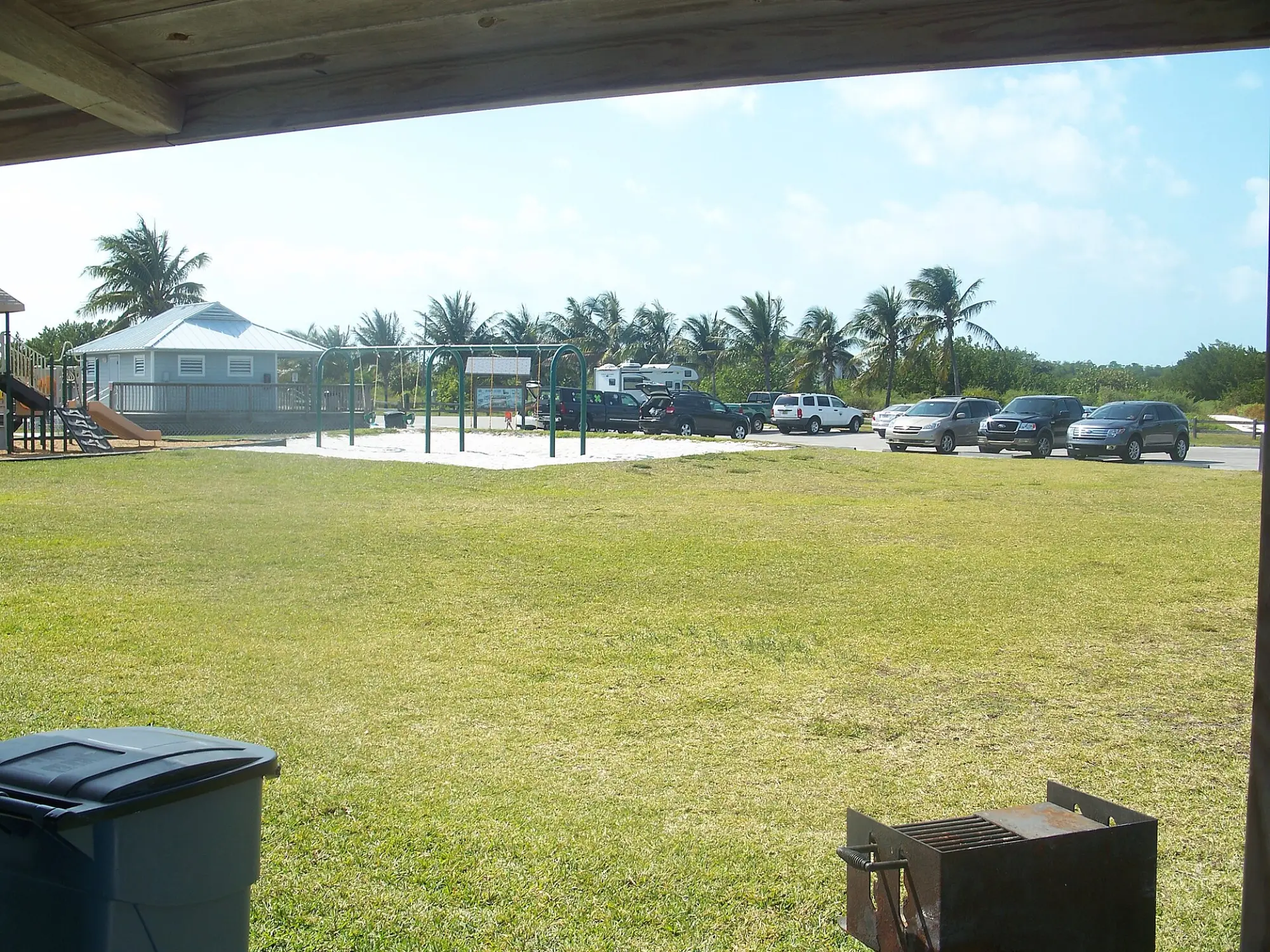 Twenty-Eight Sites, Eleven Months Out